
Two years can transform a person, if only because of the passage of time. But a life lived across 730 days brings countless experiences and ideas that can shape you — slowly or quickly, in small or significant ways.
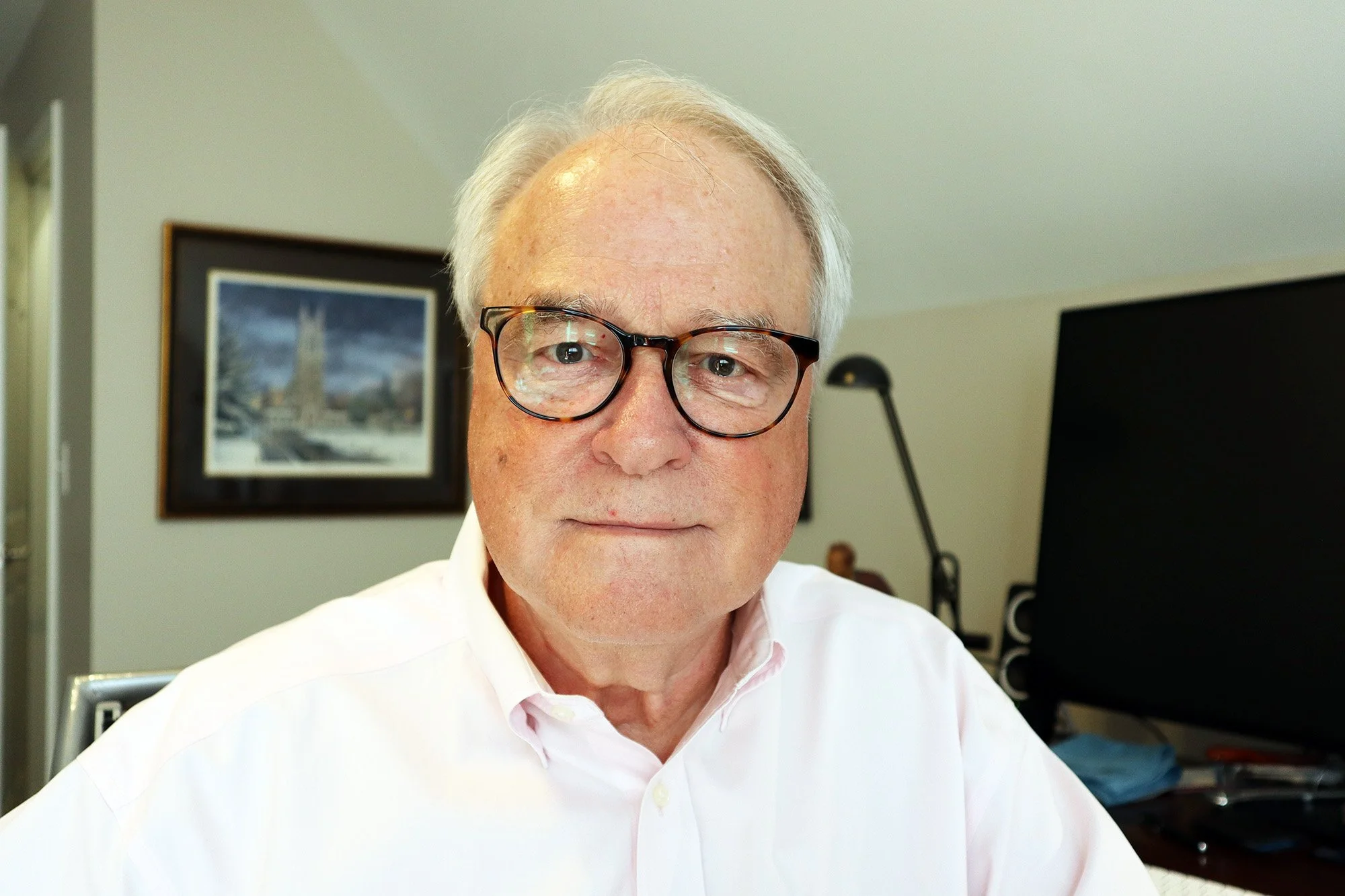
Tom Robinson
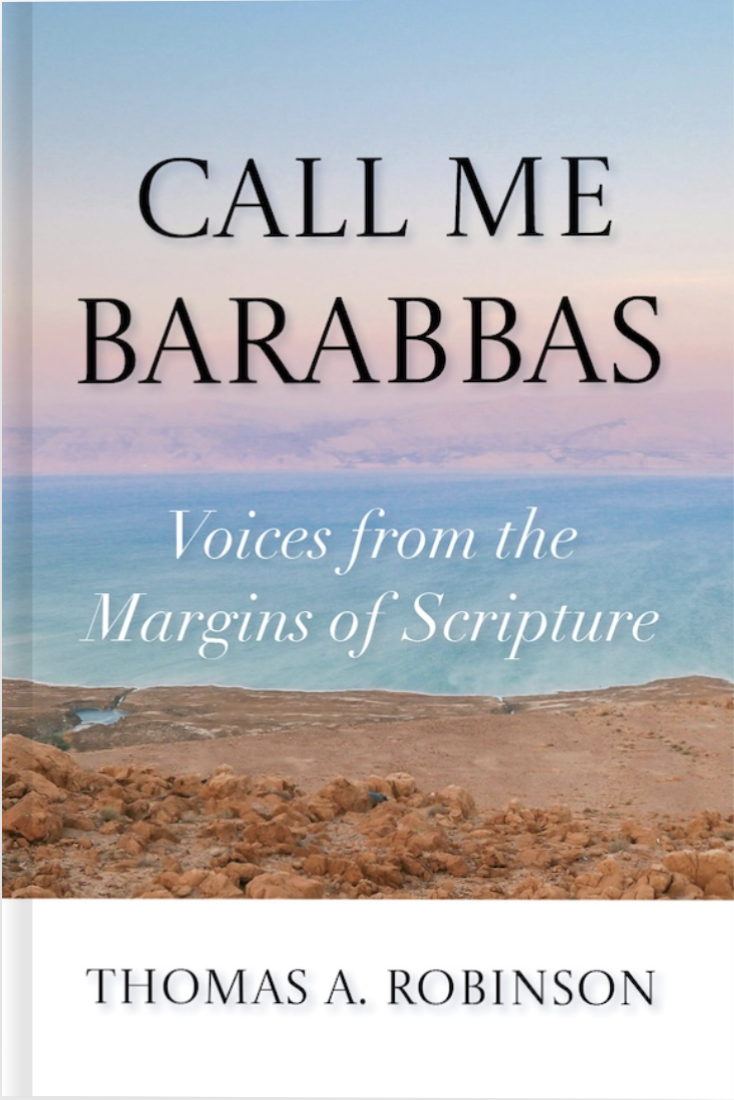
Throughout 2024 and 2025, Tom Robinson was transformed by the inspiration that led to the publication of "Call Me Barabbas: Voices from the Margins of Scripture," a collection of free-verse poems that take on the perspectives of men and women from the Bible, many of whom exist on the edges of stories we read on Sundays.
“If God is found in the particulars of every day, he must also be found in particular characters that don’t seem to play a prominent role in a story from the Bible,” Tom said. The book’s title poem calls to the prisoner set free in lieu of Jesus taking on execution for him — and substituting His sacrifice for us.
“We know that man’s name,” Tom said of Barabbas, “but not much else.”
Tom said writing from the perspectives of lesser-known biblical figures first sparked curiosity, then led to deeper transformation as he saw how even brief mentions are woven into God’s larger story. “The Prophetess Speaks” imagines the internal monologue of Anna, the “elderly widow and prophet” mentioned in just three verses in Luke 2. And “The Left Hand of God” takes the form of a prayer from Ehud, the left-handed judge who assassinated King Eglon and delivered Israel from Moabite oppression in Judges 3.
“Having spent time with these characters, you realize that God is never really done changing you,” Tom said. “Even at 75, I don’t think God is done with me, either.”
Writing these poems gave Tom a reason to slow down and engage Scripture more deeply, asking questions about each scene and character. “What if that had been me?” he said. “What would I have been thinking in those moments?”
These questions became tangible in June 2025, as he stood in the tomb of the Apostle Philip in Turkey, where he was inspired to write “Come and See” about five minutes he spent in the sacred space, which includes this first-person reflection:
“I stood there—
feet on earth that had cradled his bones,
morning sun rising clean and unshaded,
a faint breeze threading through colonnades,
light pooling on broken marble
as if memory had weight.”
Every person that readers encounter in the Bible plays a part in its cosmic story. Writing the 52 poems for “Call Me Barabbas” helped Tom realize the efforts God will take to bring us to Him. “God will turn over every single rock on the face of the earth to find you,” he said.
“Just when you thought it was safe to get a drink of water (John 4:1-42), just when you thought it was safe to ask a rabbi a question (John 3:1-21), just when we think we’re ‘safe,’ we’re not,” Tom said. “Thankfully.”
This story is part of our series that highlights how God impacts our lives: In the transformation we experience through Him and how He invites us into a deeper life of discipleship with Christ.
Read more: